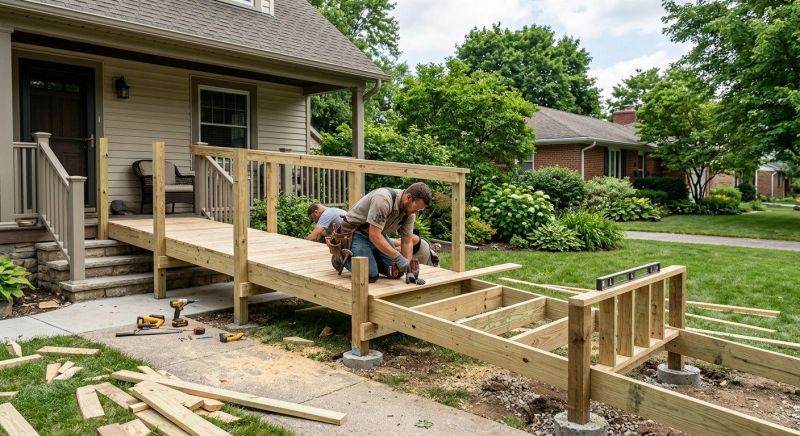
Handicap Ramp Replacement in Wilmington, NC
Handicap ramp replacement services involve removing and replacing existing wheelchair ramps or access pathways to improve safety, accessibility, and compliance with current standards. These projects typically include upgrading worn or outdated ramps, adjusting the slope or dimensions to meet current guidelines, or replacing damaged materials to ensure a secure and stable entryway. Property owners often request this service when existing ramps are no longer safe, have become difficult to use, or do not accommodate changing mobility needs, ensuring that homes and properties remain accessible for all visitors or residents.
Before requesting handicap ramp replacement, property owners usually want to understand the scope of work involved, including the materials used, the structural modifications required, and any permits that may be necessary. It is also helpful to consider the overall accessibility goals, such as ensuring smooth transitions from ground level to entry points and aligning with safety standards. Clarifying these details can help ensure the replacement process meets individual needs and maintains a safe, functional entryway for years to come.
Many property owners in Wilmington, NC look into Handicap Ramp Replacement for repairs, replacements, upgrades, and appearance-related improvements.
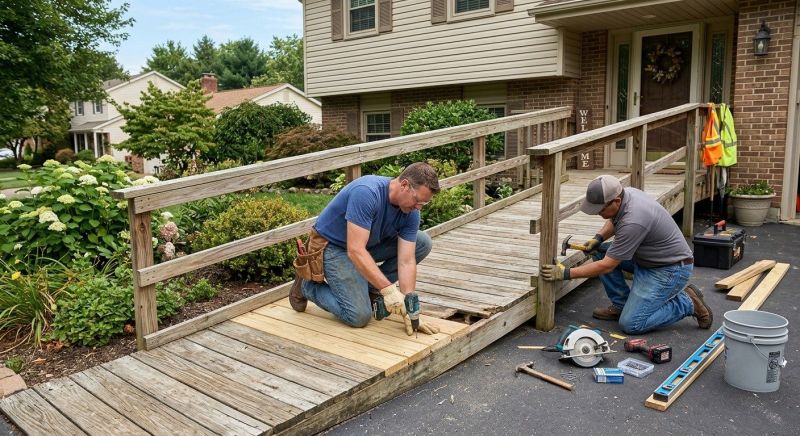
Accessibility Improvements
Replacing worn or damaged ramps enhances safety and ease of access for all visitors.
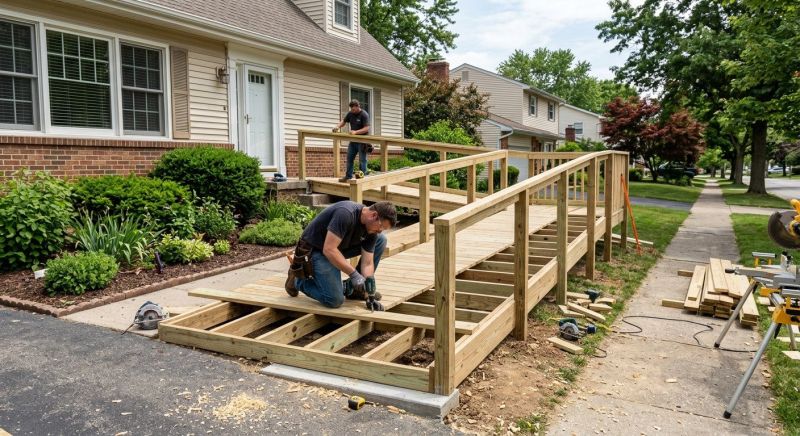
Customized Solutions
Ramps can be tailored to fit various property layouts and mobility needs in wilmington, nc.
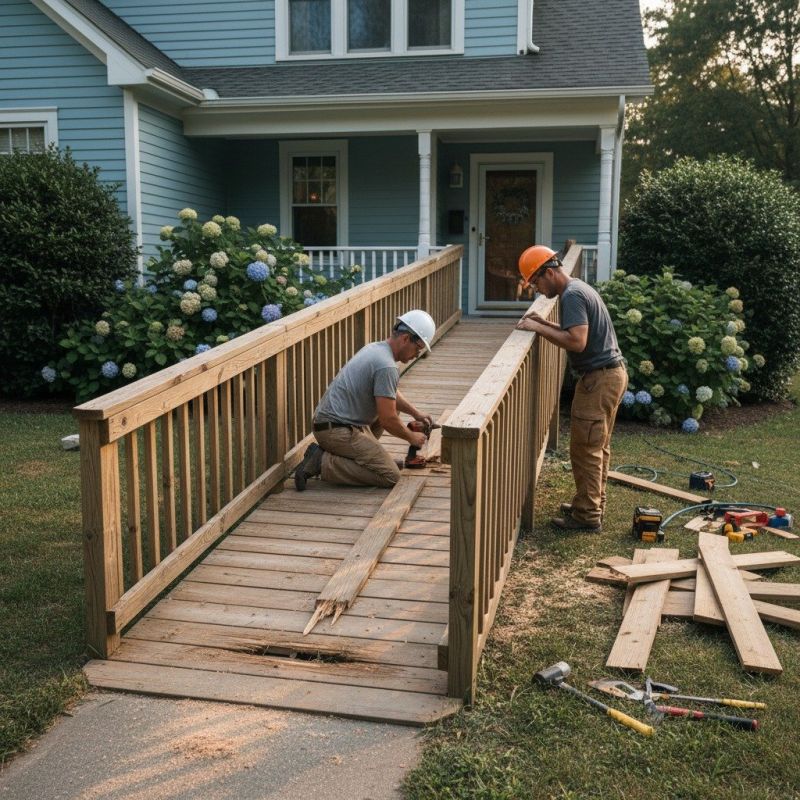
Durable Construction
New ramp installations use sturdy materials designed to withstand local weather conditions and daily use.
Handicap Ramp Replacement in Wilmington, NC
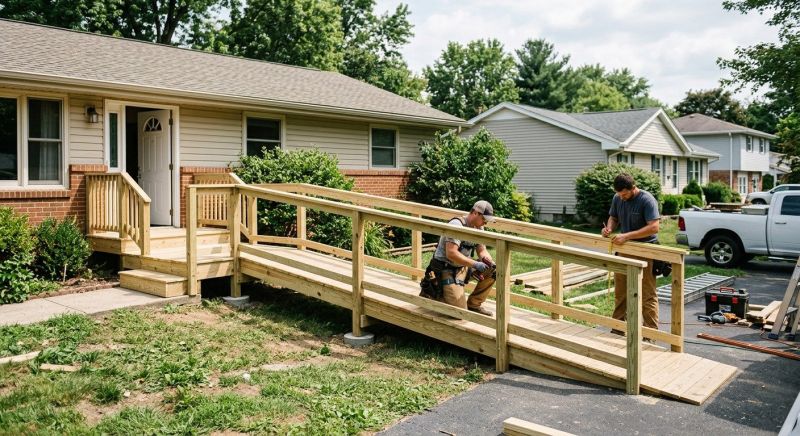
Handicap ramp replacement services involve removing and replacing existing wheelchair ramps or access pathways to improve safety, accessibility, and compliance with current standards. These projects typically include upgrading worn or outdated ramps, adjusting the slope or dimensions to meet current guidelines, or replacing damaged materials to ensure a secure and stable entryway. Property owners often request this service when existing ramps are no longer safe, have become difficult to use, or do not accommodate changing mobility needs, ensuring that homes and properties remain accessible for all visitors or residents.
Before requesting handicap ramp replacement, property owners usually want to understand the scope of work involved, including the materials used, the structural modifications required, and any permits that may be necessary. It is also helpful to consider the overall accessibility goals, such as ensuring smooth transitions from ground level to entry points and aligning with safety standards. Clarifying these details can help ensure the replacement process meets individual needs and maintains a safe, functional entryway for years to come.
Many property owners in Wilmington, NC look into Handicap Ramp Replacement for repairs, replacements, upgrades, and appearance-related improvements.
Common Handicap Ramp Replacement Jobs
Handicap Ramp Replacement - Upgrading existing ramps to improve accessibility and safety.
Residential Ramp Replacement - Replacing worn or outdated ramps on homes for better mobility.
Commercial Ramp Replacement - Ensuring commercial properties meet accessibility standards with new ramps.
Custom Ramp Replacement - Installing tailored ramps to fit specific property needs and layouts.
Portable Ramp Replacement - Upgrading portable ramps for easier access and durability.
Safety-Enhancing Ramp Replacement - Replacing old ramps to reduce fall hazards and improve user confidence.
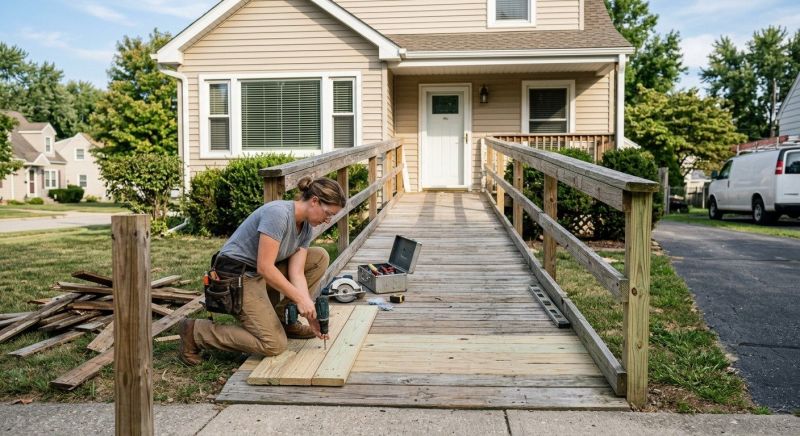
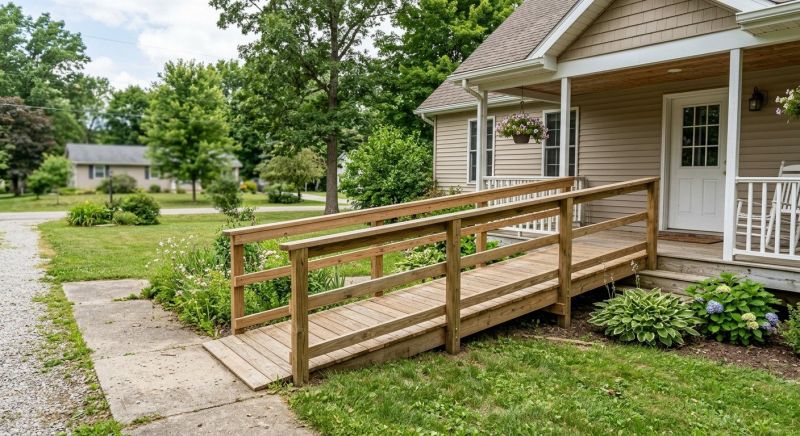
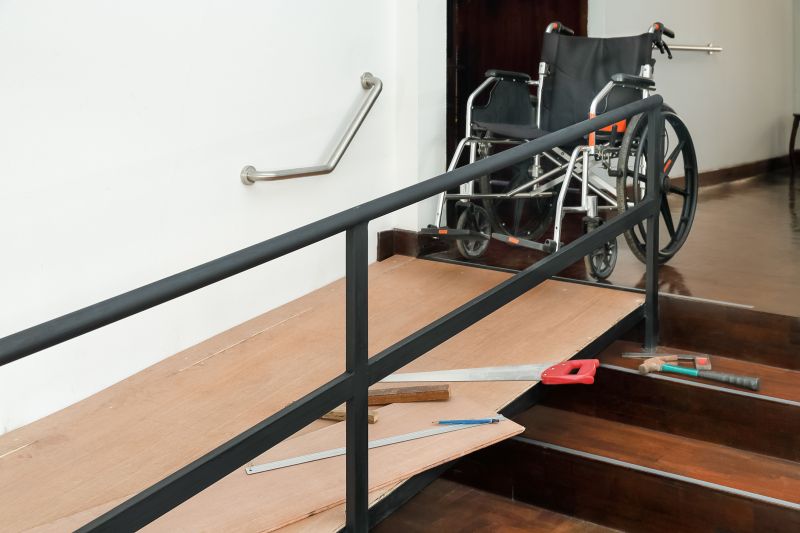
Handicap Ramp Replacement Questions
What types of handicap ramp replacement projects are common? Typical projects include replacing worn or damaged ramps, upgrading to ADA-compliant designs, and modifying existing structures for better accessibility.
How do I know if my current ramp needs replacement? Signs include structural damage, instability, or if the ramp no longer meets accessibility requirements.
What materials are used for handicap ramp replacements? Common materials include aluminum, wood, and composite decking, chosen for durability and safety.
What should property owners consider before replacing a handicap ramp? Consider the existing space, accessibility needs, and compliance with local building codes for safety and functionality.
Request Handicap Ramp Replacement in Wilmington, NC
Use the quote form on this page to share the basics of your project and request more information for the type of work you need.